

Table of Contents
ToggleSleep optimization trends 2026 will reshape how people rest, recover, and recharge. The global sleep health market continues to grow as consumers demand better solutions for poor sleep. According to recent data, over 70% of adults report inconsistent sleep quality. This statistic drives innovation across technology, wellness, and healthcare sectors.
The coming year brings significant shifts in sleep science and consumer products. AI-powered devices will deliver more accurate insights. Smart bedroom technology will create ideal sleep conditions automatically. Circadian health will move from niche interest to mainstream priority. And non-pharmaceutical sleep aids will gain serious traction among health-conscious consumers.
This article explores the key sleep optimization trends 2026 will bring to market. Each trend offers practical applications for better rest and improved daily performance.
Key Takeaways
- Sleep optimization trends 2026 will be driven by AI-powered devices that deliver personalized recommendations based on individual biology and daily habits.
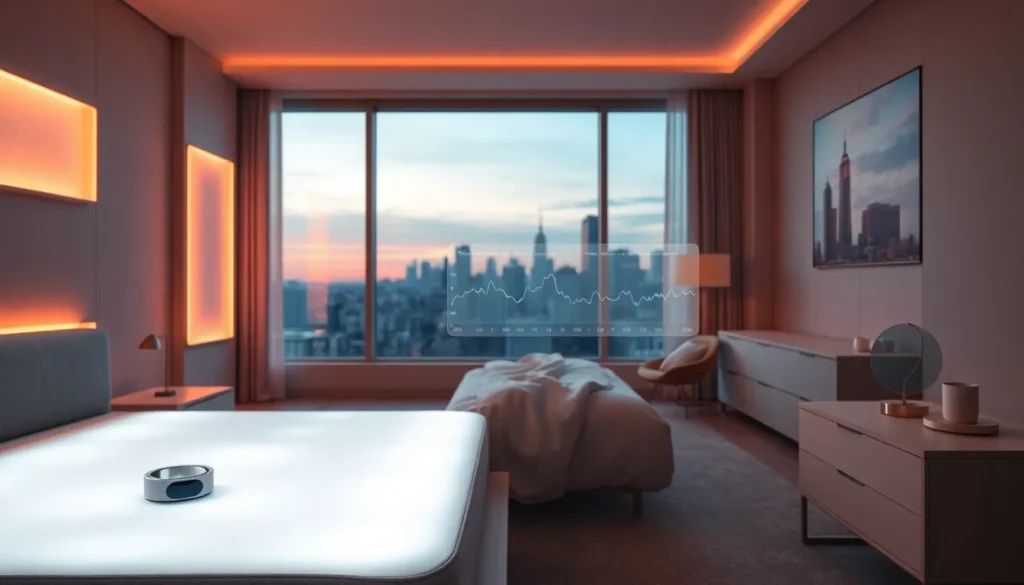
- Smart bedroom technology will automatically adjust mattress firmness, lighting, temperature, and sound to create ideal sleep conditions throughout the night.
- Circadian health moves mainstream in 2026, with light therapy devices, meal timing apps, and workplace wellness programs supporting natural body rhythms.
- Non-pharmaceutical sleep aids—including magnesium supplements, CBD products, and CBT-I apps—are gaining popularity as consumers seek drug-free alternatives.
- Over 70% of adults report inconsistent sleep quality, fueling rapid innovation across sleep technology, wellness, and healthcare sectors.
- Personalization is the biggest advancement, as AI sleep coaches can now identify whether you respond better to cooler temperatures, white noise, or specific pre-sleep routines.
AI-Powered Sleep Tracking and Personalization
Artificial intelligence will transform sleep tracking in 2026. Current wearables measure basic metrics like heart rate and movement. Next-generation devices will analyze breathing patterns, sleep stage transitions, and environmental factors simultaneously.
Machine learning algorithms will process this data to generate personalized recommendations. These systems learn individual sleep patterns over weeks and months. They then suggest specific bedtime routines, optimal sleep windows, and lifestyle adjustments based on each user’s unique biology.
Several major tech companies plan to release advanced sleep optimization products in 2026. Apple, Samsung, and Oura continue to improve their sleep analysis capabilities. Newer entrants focus specifically on sleep health rather than general fitness tracking.
The personalization aspect stands out as the most significant advancement. Generic sleep advice rarely works for everyone. AI systems can identify whether someone responds better to cooler temperatures, white noise, or specific pre-sleep activities. This level of customization was impossible just a few years ago.
Experts predict that AI sleep coaches will become common by late 2026. These virtual assistants provide real-time guidance and adjust recommendations based on daily factors like stress levels, exercise, and caffeine intake.
Smart Sleep Environments and Connected Bedrooms
Smart home technology extends into the bedroom with sleep-focused features. Connected devices now work together to create optimal sleep conditions automatically. This represents one of the most practical sleep optimization trends 2026 will popularize.
Smart mattresses adjust firmness and temperature throughout the night. They respond to movement and body heat, keeping sleepers comfortable without manual adjustment. Some models track sleep metrics directly, eliminating the need for separate wearables.
Lighting systems play a crucial role in sleep environment optimization. Smart bulbs gradually dim before bedtime and simulate sunrise for natural waking. Red-spectrum lighting reduces blue light exposure in the hours before sleep. These systems sync with sleep tracking apps to time transitions precisely.
Sound management technology has improved significantly. White noise machines now adapt their output based on ambient noise levels. Some systems detect snoring and adjust pillow positions or room humidity in response.
Air quality monitors track temperature, humidity, CO2 levels, and particulates. Research shows that bedroom air quality directly affects sleep quality. Smart HVAC systems respond to these readings automatically, maintaining ideal conditions throughout the night.
The integration of these devices creates a coordinated sleep environment. One app or voice command can activate an entire bedtime routine. Lights dim, temperature drops, and calming sounds begin simultaneously.
Circadian Health Takes Center Stage
Circadian rhythm optimization emerges as a major focus in 2026. Scientists have established clear links between circadian disruption and chronic health conditions. This research drives new products and services designed to support natural body rhythms.
Morning light exposure remains the most effective way to anchor circadian rhythms. Light therapy devices have become more sophisticated and affordable. Wearable light therapy glasses deliver precise light wavelengths during commutes or morning routines.
Meal timing gains attention as a circadian health factor. Research shows that eating patterns affect sleep quality significantly. Apps now track meal times alongside sleep data, helping users identify patterns that disrupt their rest.
Workplace wellness programs increasingly address circadian health. Some companies adjust lighting in offices to support natural rhythms. Others offer flexible schedules that accommodate different chronotypes, whether someone is naturally an early bird or night owl.
Shift workers represent a population with severe circadian challenges. New protocols and products target this group specifically. Strategic light exposure, timed caffeine consumption, and sleep banking techniques help minimize health impacts.
Consumer awareness of circadian health has grown substantially. Sleep optimization trends 2026 reflect this shift. Products marketed with circadian benefits appeal to informed consumers who understand the science behind sleep.
Non-Pharmaceutical Sleep Solutions on the Rise
Drug-free sleep aids gain market share as consumers seek alternatives to prescription medications. This preference drives innovation in supplements, devices, and behavioral interventions.
Magnesium supplements remain popular, with new formulations improving absorption. Other minerals and amino acids like glycine and L-theanine appear in sleep-focused products. These ingredients have research backing their sleep benefits without the side effects of pharmaceutical options.
CBD products continue their growth in the sleep market. Regulations have clarified in many regions, allowing more standardized products. Consumers report using CBD for relaxation and sleep initiation, though research on long-term effects continues.
Sleep-focused wearables use non-invasive techniques to promote rest. Devices that stimulate the vagus nerve or deliver gentle electrical pulses claim to reduce sleep onset time. Clinical studies support some of these technologies, though results vary by individual.
Cognitive behavioral therapy for insomnia (CBT-I) reaches more people through digital platforms. Apps deliver structured programs that address sleep anxiety and poor habits. This approach treats underlying causes rather than masking symptoms.
Breathing exercises and meditation apps expand their sleep-specific content. Guided sessions help users relax before bed. Sleep stories and ambient soundscapes have become surprisingly popular among adults.
The trend toward non-pharmaceutical solutions reflects broader wellness priorities. Consumers want sleep optimization methods that support overall health. They increasingly view quality sleep as a foundation for physical and mental wellbeing.


