

Table of Contents
ToggleTop sleep optimization starts with understanding what actually works. Most adults need seven to nine hours of quality sleep each night, yet the CDC reports that one in three Americans falls short of this goal. Poor sleep affects memory, mood, immune function, and even weight management.
The good news? Small, science-backed changes can dramatically improve sleep quality. This guide covers the most effective strategies for better rest, from bedroom setup to daily habits that support deep, restorative sleep.
Key Takeaways
- Top sleep optimization requires a consistent sleep schedule—going to bed and waking up at the same time daily reinforces your circadian rhythm.
- Keep your bedroom between 60–67°F with minimal light and consistent background noise to create an ideal sleep environment.
- Stop caffeine intake by early afternoon and avoid alcohol within three hours of bedtime to prevent sleep disruption.
- Establish a wind-down routine by limiting screens 30–60 minutes before bed and trying relaxation techniques like reading or warm baths.
- Morning sunlight exposure for 10–30 minutes helps regulate your sleep-wake cycle and improves evening sleepiness.
- Quality sleep optimization impacts memory, mood, immune function, and physical performance—making it essential for overall well-being.
Why Sleep Optimization Matters
Sleep optimization isn’t just about feeling less tired. It directly impacts physical health, mental clarity, and long-term well-being.
During deep sleep, the body repairs tissues, consolidates memories, and regulates hormones. Without adequate rest, cortisol levels rise, increasing stress and inflammation. Chronic sleep deprivation has been linked to higher risks of heart disease, diabetes, and obesity.
Cognitive function takes a hit too. Research shows that sleep-deprived individuals perform similarly to those legally intoxicated when tested on reaction time and decision-making. That’s a sobering thought for anyone who’s pulled an all-nighter thinking they’d “push through.”
Sleep optimization also affects emotional regulation. People who sleep poorly report higher levels of anxiety and irritability. They’re more likely to perceive neutral situations as negative. In short, good sleep acts as a buffer against life’s daily stressors.
The benefits extend to physical performance. Athletes who prioritize sleep optimization see improvements in speed, accuracy, and recovery time. Even for non-athletes, better sleep means more energy for workouts and daily activities.
Create an Ideal Sleep Environment
The bedroom should signal “sleep” to the brain. That means controlling light, temperature, and noise.
Light Control
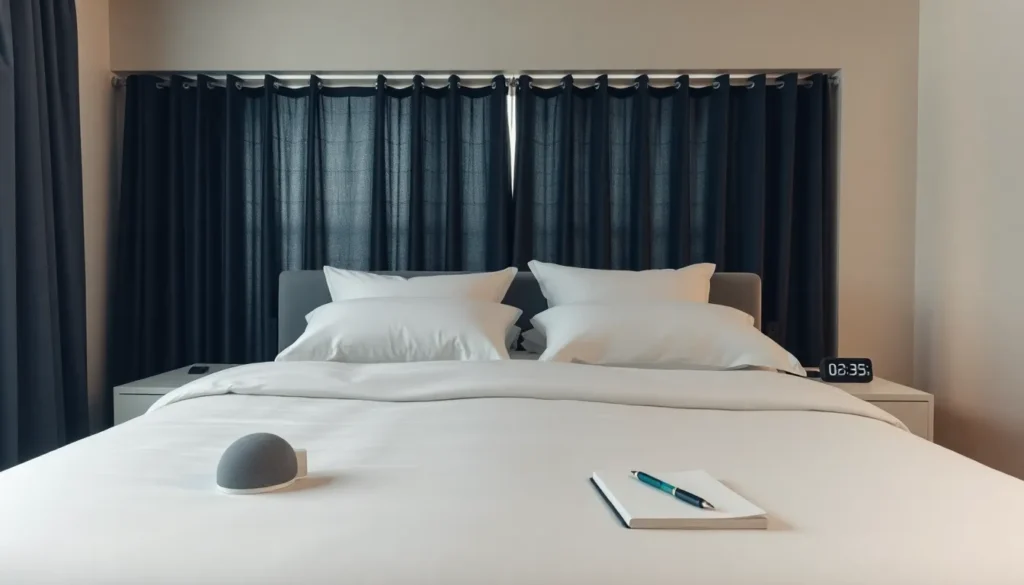
Light exposure directly affects melatonin production. Even small amounts of light from electronics or streetlamps can disrupt sleep cycles. Blackout curtains or a quality sleep mask can block unwanted light. Remove or cover any LED indicators on devices in the room.
Temperature Settings
The ideal bedroom temperature for sleep optimization falls between 60 and 67 degrees Fahrenheit. The body naturally drops its core temperature during sleep, and a cool room supports this process. If that seems cold, try warming up with blankets rather than raising the thermostat.
Noise Reduction
Consistent background noise often beats complete silence for most sleepers. White noise machines or fans can mask sudden sounds like traffic or barking dogs. For those who prefer quiet, earplugs designed for sleep offer a comfortable solution.
Bedding and Mattress
A supportive mattress and comfortable pillows matter more than most people realize. The average person spends a third of their life in bed, investing in quality sleep surfaces pays dividends in rest quality. Replace pillows every one to two years and mattresses every seven to ten years.
Establish a Consistent Sleep Schedule
The body’s internal clock, or circadian rhythm, thrives on consistency. Going to bed and waking up at the same times each day, even on weekends, reinforces this natural rhythm.
Irregular sleep schedules confuse the body’s internal signals. One study found that people with inconsistent sleep times had higher rates of metabolic issues, regardless of total sleep duration. Sleep optimization requires regularity.
Start by setting a fixed wake time. This anchors the entire schedule. Then count backward seven to nine hours to determine an appropriate bedtime. Stick to these times for at least two weeks to allow the body to adjust.
Weekend sleep-ins feel tempting, but they create “social jet lag”, a mismatch between biological and social clocks. Limiting weekend variations to one hour helps maintain sleep optimization without feeling too restrictive.
For shift workers or frequent travelers, light exposure therapy can help reset circadian rhythms. Bright light in the morning advances the sleep phase, while avoiding light in the evening delays it.
Optimize Your Pre-Sleep Routine
What happens in the hour before bed significantly affects sleep quality. A consistent wind-down routine signals to the brain that sleep is approaching.
Screen Time Limits
Blue light from phones, tablets, and computers suppresses melatonin production. Stop using screens at least 30 to 60 minutes before bed. If that’s not possible, enable night mode settings or wear blue-light-blocking glasses.
Relaxation Techniques
Gentle activities prepare the mind and body for rest. Options include reading physical books, light stretching, meditation, or taking a warm bath. The key is choosing activities that genuinely relax rather than stimulate.
A warm bath or shower works particularly well for sleep optimization. The rapid cooling afterward mimics the body’s natural temperature drop before sleep, making people feel drowsy.
Brain Dump
Racing thoughts often prevent sleep. Spend five minutes writing down tomorrow’s tasks, worries, or random thoughts. This simple practice clears mental clutter and reduces nighttime anxiety. Keep a notepad by the bed for any thoughts that arise after lights out.
Nutrition and Lifestyle Factors That Affect Sleep
Daily habits during waking hours directly impact nighttime rest.
Caffeine and Alcohol
Caffeine has a half-life of about five to six hours. That afternoon coffee at 3 PM still affects the body at 9 PM. For optimal sleep optimization, stop caffeine intake by early afternoon.
Alcohol might make falling asleep easier, but it disrupts sleep architecture. It reduces REM sleep and often causes middle-of-the-night waking. Limit alcohol and avoid drinking within three hours of bedtime.
Meal Timing
Large meals close to bedtime force the digestive system to work when it should rest. Aim to finish eating at least two to three hours before sleep. If hunger strikes late, opt for light snacks containing tryptophan or magnesium, think turkey, bananas, or almonds.
Exercise
Regular physical activity improves sleep quality significantly. But, timing matters. Vigorous exercise raises body temperature and releases stimulating hormones. Finish intense workouts at least three hours before bed. Gentle yoga or stretching in the evening supports sleep optimization without overstimulation.
Sunlight Exposure
Morning sunlight exposure helps regulate circadian rhythms. Aim for 10 to 30 minutes of natural light early in the day. This reinforces the body’s natural sleep-wake cycle and improves evening sleepiness.


